


5 min read
FIPP 2026 and the next chapter for magazine publishers
A magazine earns its place through a distinctive editorial voice, a subject readers care about and an experience worth coming back to.
For magazine publishers, the FIPP World Media Congress 2026 programme in Madrid, 13–15 October, brings those fundamentals into focus: how to build stronger reader relationships and a sustainable business around them.
Want to see what Prenly can do for your magazine? Book a meeting with us ->
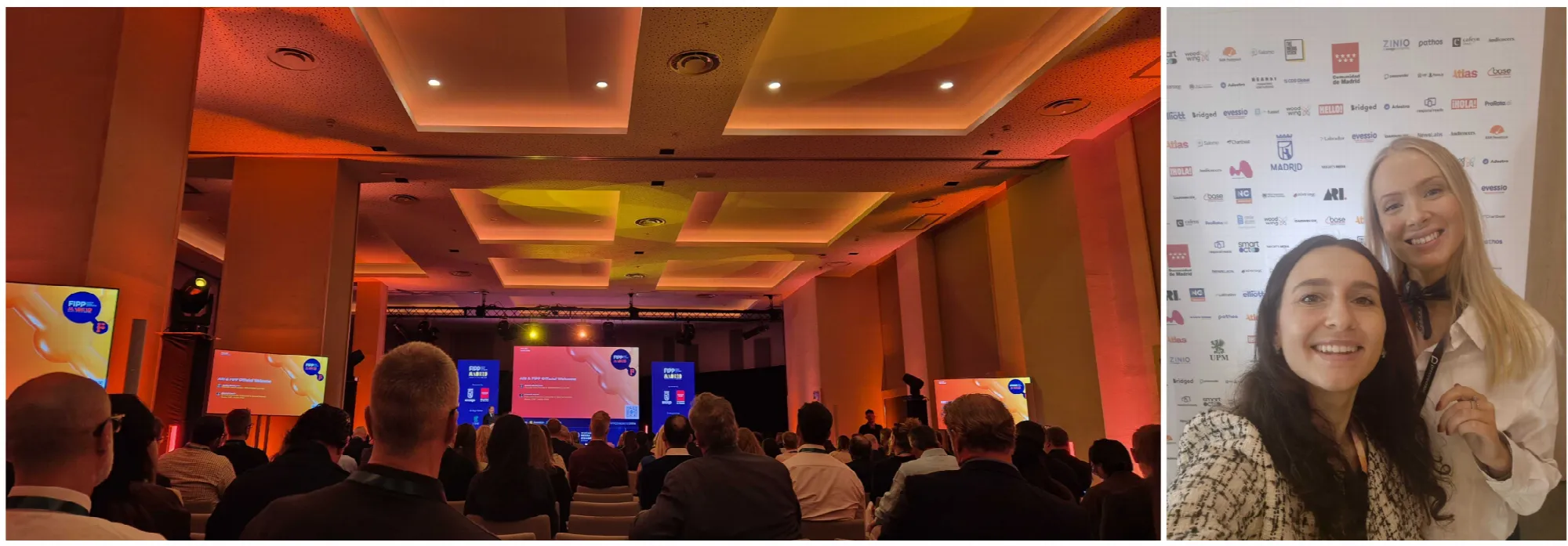
FIPP World Media Congress in Madrid, with Prenly’s Esther Dietzsch (left in the selfie) and Davida Rothman. Photos supplied by Davida Rothman and Esther Dietzsch.
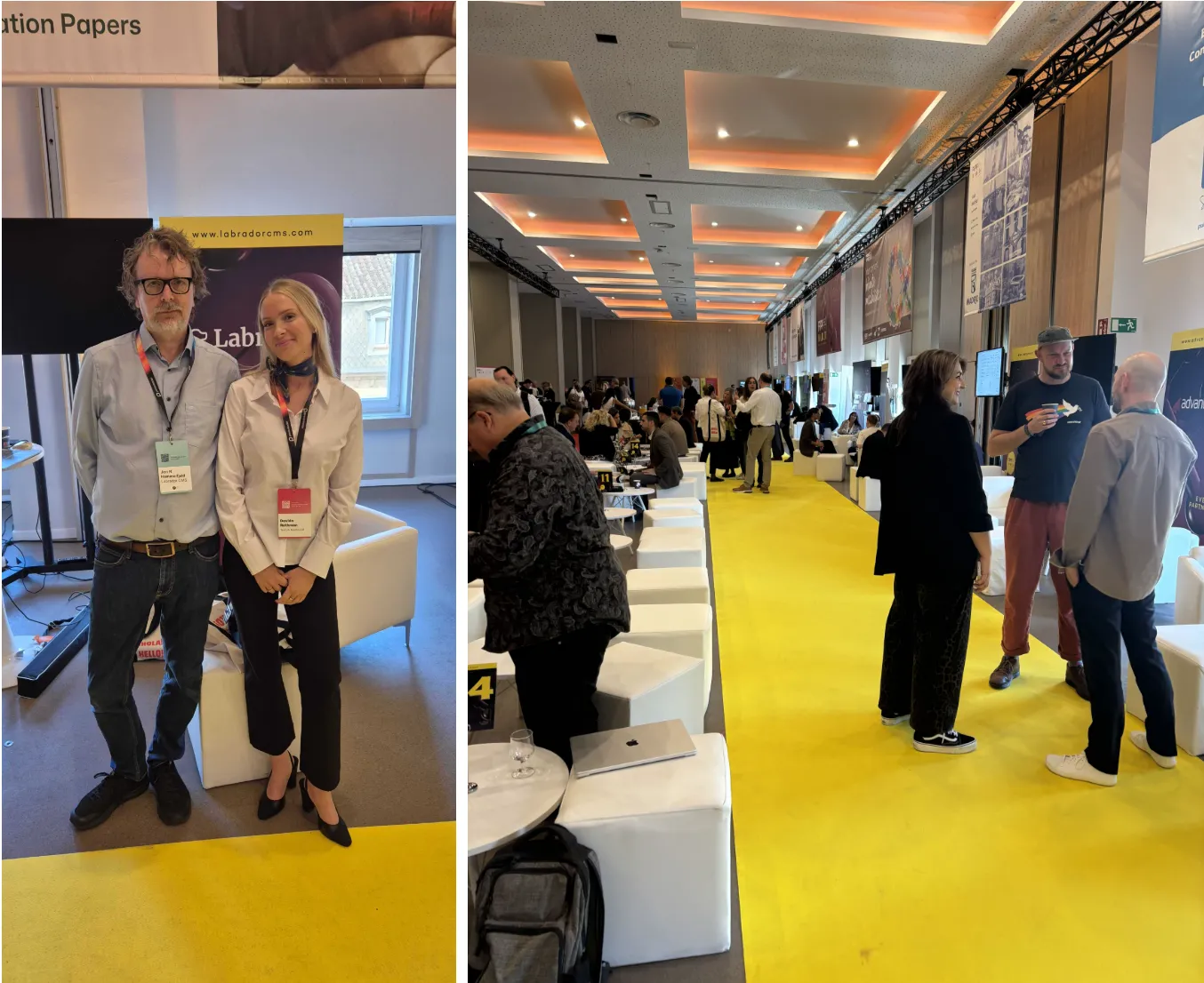
Davida Rothman and Esther Dietzsch joined the publishing community in Madrid for Prenly. Among the people Davida met was Jon Reidar Hammerfjeld, Founder of Labrador CMS. Alongside these face-to-face connections, the published congress programme offers a useful starting point for magazine teams considering their next digital move. The ideas below are Prenly’s perspective on those programme themes.
Give readers a reason to return between issues
Harvard Business Review’s contribution to the programme centres on audience focus and growth, with Erika Heilman. For magazine publishers, that raises a practical question: how well does the digital experience reflect the specific interests that brought readers to the title?
A gardening magazine might give a reader a reason to revisit seasonal advice. A design title might help them rediscover an interview or collection they saved. A professional magazine might connect a long-form feature with a relevant podcast. These are editorial choices, shaped by the publication’s subject and readers, rather than a requirement to publish constantly.
The issue remains an important moment. The relationship can continue in the weeks around it. A useful archive, a well-timed notification or an inviting place to read can help make that possible. The question is what deserves a reader’s attention between editions, and whether it is easy to find.
For publishers using Prenly, Prenly Engage offers ways to extend that experience with formats such as games, polls, podcasts and events. A magazine team could begin with one format that fits its identity, then assess whether readers actually use it. There is little value in adding features that an editorial team cannot sustain or that readers do not need.
Make the magazine worth paying for
Newsweek’s programme session connects premium print with a broader revenue mix. RBA Revistas’ Alex Poderoso brings print and digital growth into the same discussion. Both are useful prompts to think about the complete magazine offer.
Readers may value the design and pace of a print issue, the convenience of a digital edition and the ability to return to years of specialist coverage. The task is to make those benefits clear and accessible. A digital subscription should feel like a considered extension of the magazine, with the same care for navigation and presentation as its pages.
Prenly’s digital publishing for magazines brings digital editions, archives, web content and podcasts into the reader experience. Accessible reading views and audio options can make content easier to enjoy in different situations. The right combination depends on the title, its audience and the material it already produces.
Die Weltbühne is one magazine example. The German title covers politics, art and economics and is included in Prenly’s Berliner Verlag customer story. Prenly’s current migration overview reports that Weltbühne, Berliner Zeitung and Berliner Kurier moved to the platform while preserving existing workflows and subscriber access. For a magazine team, that is a useful reminder to assess continuity alongside new features: how will a platform change support the publishing systems and reader relationships already in place?
Before adding more, look at the reader’s journey. Can a new subscriber find the latest edition? Can a regular reader discover a relevant back issue? Does the experience give someone a clear reason to return before the next publication date? Those questions are a practical starting point for improving the value readers receive.
Keep advertising close to the reader experience
The programme also includes Condé Nast’s Sharon Carter on scaling tailored advertising creative. For magazine teams, the wider opportunity is to connect commercial formats with the character of the title and the interests of its audience.
A specialist magazine can give an advertiser a relevant setting for its message. Digital editions create an opportunity to explore how that message works on screen: whether a reader can act on it, whether its placement feels appropriate and whether the publisher can explain the available reporting clearly.
With PrenlyAds, magazine publishers can use scheduled ad insertions, clickable calls to action and impression and click reporting. These capabilities can support additional advertising packages around the digital edition, creating potential new revenue opportunities. Choose formats and placements that fit your publication, then build a clear offer for advertisers.
Start with a concrete advertiser brief. Decide what the campaign needs to communicate, where it belongs and what will be measured. Keep the reading experience central. Commercial opportunities are easier to evaluate when the editorial and advertising teams can see the same reader journey.
Choose one useful next step
FIPP’s programme gives magazine publishers plenty to consider. The next step can be small enough to put into practice: make the archive easier to explore, test an engagement format between issues or review how a digital advertising placement supports a campaign.
Choose one reader need, agree who owns the work and decide how you will assess it. Depending on the aim, that could mean repeat visits, archive use, participation in a poll or response to a campaign. Review the result alongside reader feedback before expanding the idea.
The most useful digital direction will grow out of what makes your magazine valuable already. Prenly can help you explore how to carry that identity into the reading experience and the commercial opportunities around it.
Want to see what Prenly can do for your magazine?
Book a meeting with us ->

